The Ultimate Guide to Minimalist Design: How to Create Impact with Less
Dec 19, 2025

The Ultimate Guide to Minimalist Design: How to Create Impact with Less
Minimalist design isn’t about removing creativity — it’s about making every element work harder. In a world of visual overload, minimalism has become one of the most effective design approaches for brands, creators, and digital products that want to stand out with clarity and confidence.
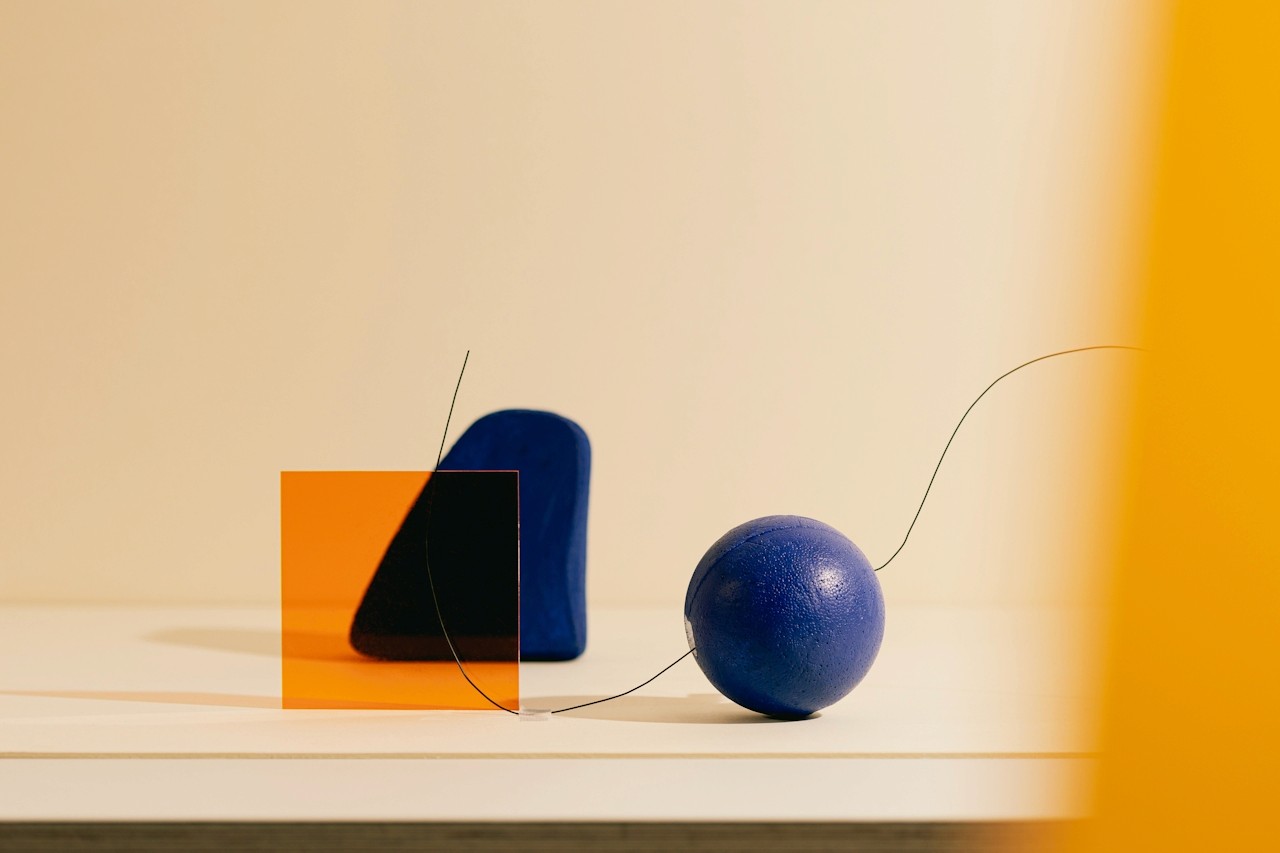
This ultimate guide will walk you through what minimalist design really is, why it works, and how to apply it effectively — using practical examples and tools like Moodboard Studio, the go-to platform for building cohesive minimalist visuals faster.
If you’ve ever tried to design something minimalist and thought “this feels empty” or “something’s missing”, you’re not alone.
Minimalist design is deceptively difficult because:
There’s nowhere to hide
Every color, font, and layout choice is amplified
Poor decisions become obvious immediately
At the same time, audiences today are overwhelmed. Websites are cluttered. Social feeds are noisy. Brands that lack focus lose trust fast.
Minimalist design solves this by:
Reducing cognitive load
Improving usability and readability
Making brands feel more premium, intentional, and modern
Minimalism isn’t a trend — it’s a response to digital fatigue.
Minimalist design is not about “less content.” It’s about intentional content.
Core Principles of Minimalist Design
1. Purpose-Driven Elements
Every element must justify its existence. If it doesn’t serve a function or communicate meaning, it goes.
2. Limited Color Palettes
Minimalist layouts rely on restrained palettes — often neutrals paired with one accent color to guide attention.
3. Strong Typography
Typography becomes the design. Font choice, spacing, hierarchy, and contrast matter more than decoration.
4. White Space as a Design Tool
White space isn’t empty — it creates focus, balance, and breathing room.
5. Visual Consistency
Consistency across layouts, imagery, and spacing builds trust and clarity.
What Minimalist Design Is NOT
❌ Boring
❌ Cold or emotionless
❌ Lacking personality
When done right, minimalist design feels confident, refined, and human.
This is where most people struggle — translating theory into execution.
Step 1: Start With Visual Direction
Minimalist design fails when there’s no clear direction. Before opening a design tool, define:
Mood (calm, bold, editorial, playful)
Brand personality
Emotional response you want users to feel
This is where Moodboard Studio becomes essential.
Instead of collecting scattered inspiration across tabs, Moodboard Studio allows you to:
Curate minimalist references in one place
Compare color palettes, typography, and imagery
Ensure visual cohesion before designing
For minimalist projects, moodboarding isn’t optional — it’s foundational.
Step 2: Design With Fewer, Stronger Components
Minimalist layouts often rely on:
One strong headline
One primary image or visual anchor
One clear call to action
Ask yourself:
“If I remove this element, does the message get clearer or weaker?”
If it gets clearer — remove it.
Step 3: Use Imagery Intentionally
Minimalist design thrives on high-quality visuals, not more visuals.
Choose imagery that:
Has strong composition
Uses negative space
Aligns with your brand tone
Moodboard Studio helps teams test imagery side-by-side, making it easier to spot visual noise and maintain restraint.
Step 4: Make It Scrollable and Breathable
Minimalist design benefits from vertical flow:
Clear content sections
Generous spacing
Logical progression
Scrolling should feel effortless, not overwhelming.
Step 5: Edit Ruthlessly
Minimalist design is won in the editing phase.
Remove:
Redundant copy
Decorative elements with no purpose
Competing visual cues
What remains should feel inevitable, not accidental.
Why Minimalist Design Performs Better (SEO + UX)
From an SEO and UX perspective, minimalist design offers measurable benefits:
Faster page load times
Improved mobile usability
Clearer content hierarchy for search engines
Higher engagement and conversion rates
When combined with strong content structure and visual consistency, minimalist design doesn’t just look good — it performs.
Minimalist design isn’t about starting from scratch every time — it’s about building systems that support clarity and creativity.
If you want to:
Create stronger visual direction
Design with confidence instead of guesswork
Align teams around a clear aesthetic
Moodboard Studio is the tool to start with.
It helps designers, founders, and creative teams:
Define minimalist design direction early
Stay visually consistent across projects
Move from inspiration to execution faster
👉 Try Moodboard Studio and turn minimalism into a competitive advantage.