Mood Board Inspiration for Modern Designers: How to Spark Creativity & Build Stunning Visual Stories
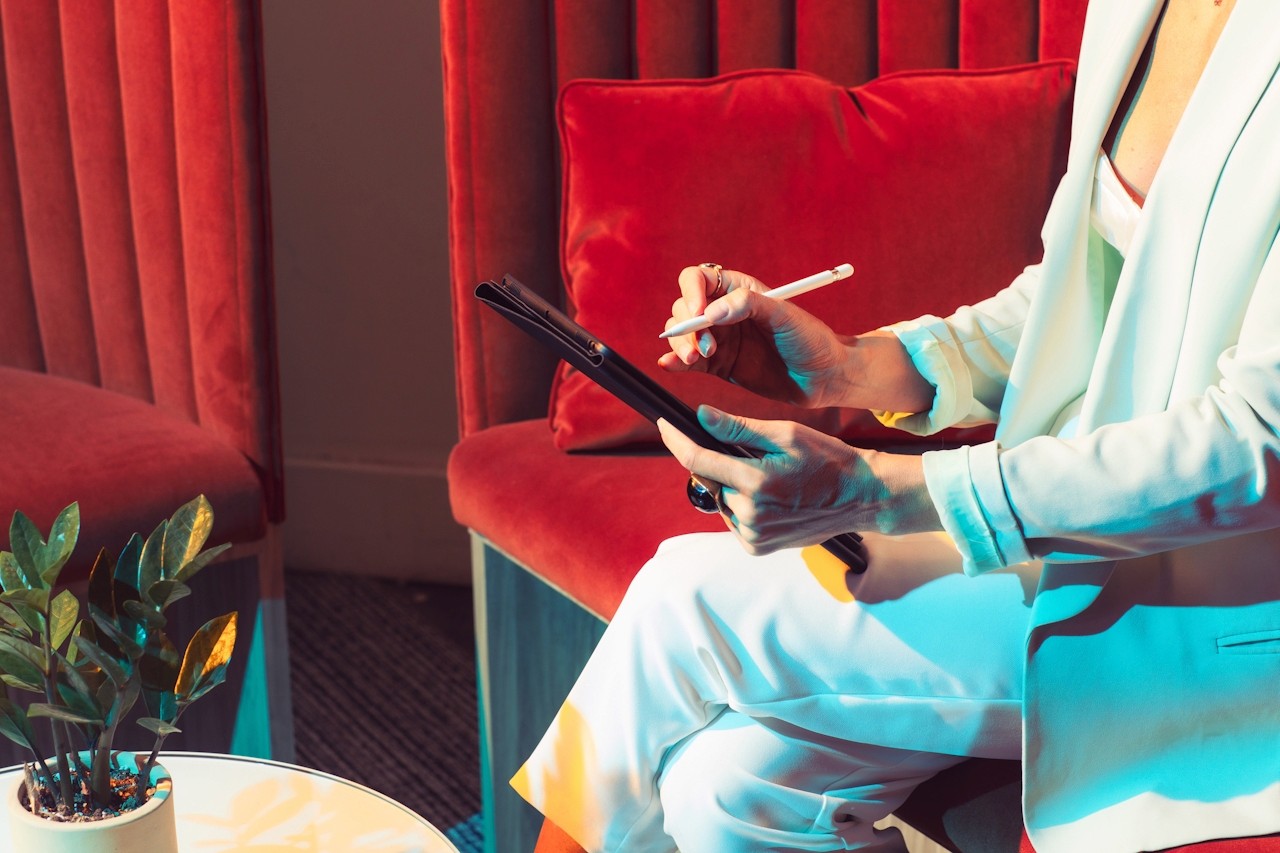
Mood Board Inspiration for Modern Designers: How to Spark Creativity & Build Stunning Visual Stories
If you’ve ever found yourself staring at a blank canvas, overwhelmed by endless design possibilities, you’re in good company. Modern designers are expected to ideate faster, deliver strategically, and elevate visual storytelling across every platform. Whether you’re crafting brand identities, UI concepts, interior mood references, or campaign visuals, inspiration can feel scattered—and time is always in short supply.
Mood boards have become essential because they simplify the messy creative process. They help you organize ideas, shape visual direction, and communicate concepts without saying a word. But with so many tools and trends flooding the industry, it’s easy to feel stuck or unsure where to begin.
You deserve a smoother, more intuitive path from concept to creation—and the right inspiration system makes all the difference.
Today’s modern designers need more than just aesthetic collages. A contemporary mood board should:
1. Combine Strategy with Style
Modern design isn’t just about what looks good—it’s about what works. Strong mood boards blend visuals with purpose: color psychology, brand personality, cultural direction, emotional tone, and user intent.
2. Be Scrollable, Shareable & Dynamic
Static PDFs and clunky files slow teams down. Modern mood boards need to move as quickly as your ideas. Scrollable layouts, drag-and-drop media, built-in notes, and easy sharing create a collaborative environment that supports real creative flow.
3. Blend Multiple Media Types
Photos, palette swatches, typography, videos, UI captures, architectural references, material textures—modern inspiration requires many formats. Your tools should support this, not limit it.
4. Work Inside a Creative Ecosystem
From initial brainstorming to client presentations, your mood boards should seamlessly evolve into full design directions. Tools that unify the creative workflow help you stay inspired through every stage—not just ideation.
That’s why more designers are turning to Moodboard Studio, the workspace-integrated mood board builder inside Ideate Workspace. It’s built for frictionless creativity and designed to help modern designers create better, faster, and with more confidence.
Below are some high-impact mood board themes shaping the design world today—each paired with ideas you can replicate inside Moodboard Studio to spark your own creative direction:
1. Minimalist Luxury Mood Board
Modern luxury is quiet, warm, and intentional. Think creamy neutrals, spacious compositions, textured materials, and typography that whispers sophistication.
Elements to include:
Soft beige + ecru color palettes
Clean serif typography
Light marble textures
High-end packaging inspiration
Architectural photography
Why it works:
It communicates elegance without noise, making it perfect for branding, interior concepting, and product design.
2. Digital-First Brand Identity Mood Board
As digital brands dominate, designers are crafting identities meant to live on screens—not just print.
Elements to include:
Vibrant gradient color explorations
UI snippets
Iconography styles
Motion graphics samples
Scrollable layouts for responsive brand systems
Why it works:
It’s future-forward and communicates how a brand behaves in real-time experiences.
3. Organic & Eco-Inspired Mood Board
Sustainability-led design continues to expand across industries, from fashion to tech to hospitality.
Elements to include:
Earthy greens, clay tones, natural neutrals
Raw materials like linen, stone, and recycled textures
Botanical photography
Rounded typography styles
Low-impact packaging references
Why it works:
It aligns visual design with the values people care about.
4. Bold Maximalist Creative Mood Board
Maximalism is back—stronger, brighter, unapologetically expressive.
Elements to include:
High-contrast colors
Mixed patterns and layered textures
Playful typography
Collage-style layouts
Street photography or editorial shots
Why it works:
It brings energy to fashion, editorial, art direction, and youth-focused campaigns.
5. Tech-Forward Futurism Mood Board
For designers working in AI, SaaS, gaming, or speculative design, futuristic visual systems set the tone.
Elements to include:
Neon and metallic palettes
Dark-mode UI elements
Geometric lines and patterns
Sci-fi textures and holographic effects
Motion graphics or video loops
Why it works:
It communicates innovation, possibility, and emerging digital culture.
6. Soft Feminine Editorial Mood Board
Popular in lifestyle, beauty, wedding, and content-driven brands, this style merges softness with sophistication.
Elements to include:
Pastel palettes (peach, lavender, dusty rose)
Handwritten script fonts
Editorial photography
Light flares and dreamy textures
Social media layout inspiration
Why it works:
It positions brands as warm, approachable, and emotionally driven.
Why Moodboard Studio Helps Create These Faster
Instead of jumping between apps or manually stitching visuals together, Moodboard Studio streamlines the entire process:
Drag-and-drop images, videos, screenshots, and brand assets
Add notes, color swatches, and typography references
Build scrollable layouts clients can easily browse
Save multiple directions in a single project
Duplicate boards for quick iteration
Share instantly with stakeholders or team members
It’s everything modern designers need—no more scattered inspiration folders or messy presentations. You have the ideas. You have the inspiration. Now you just need the space to bring it all together.
Whether you’re designing a brand identity, pitching a concept, or creating a new visual direction, Moodboard Studio in Ideate Workspace gives you the power to transform creative chaos into clarity.
👉 Start building your next mood board today inside Moodboard Studio
and experience how effortless and inspiring modern design can be.