Digital Mood Board Hacks Every Designer Should Know
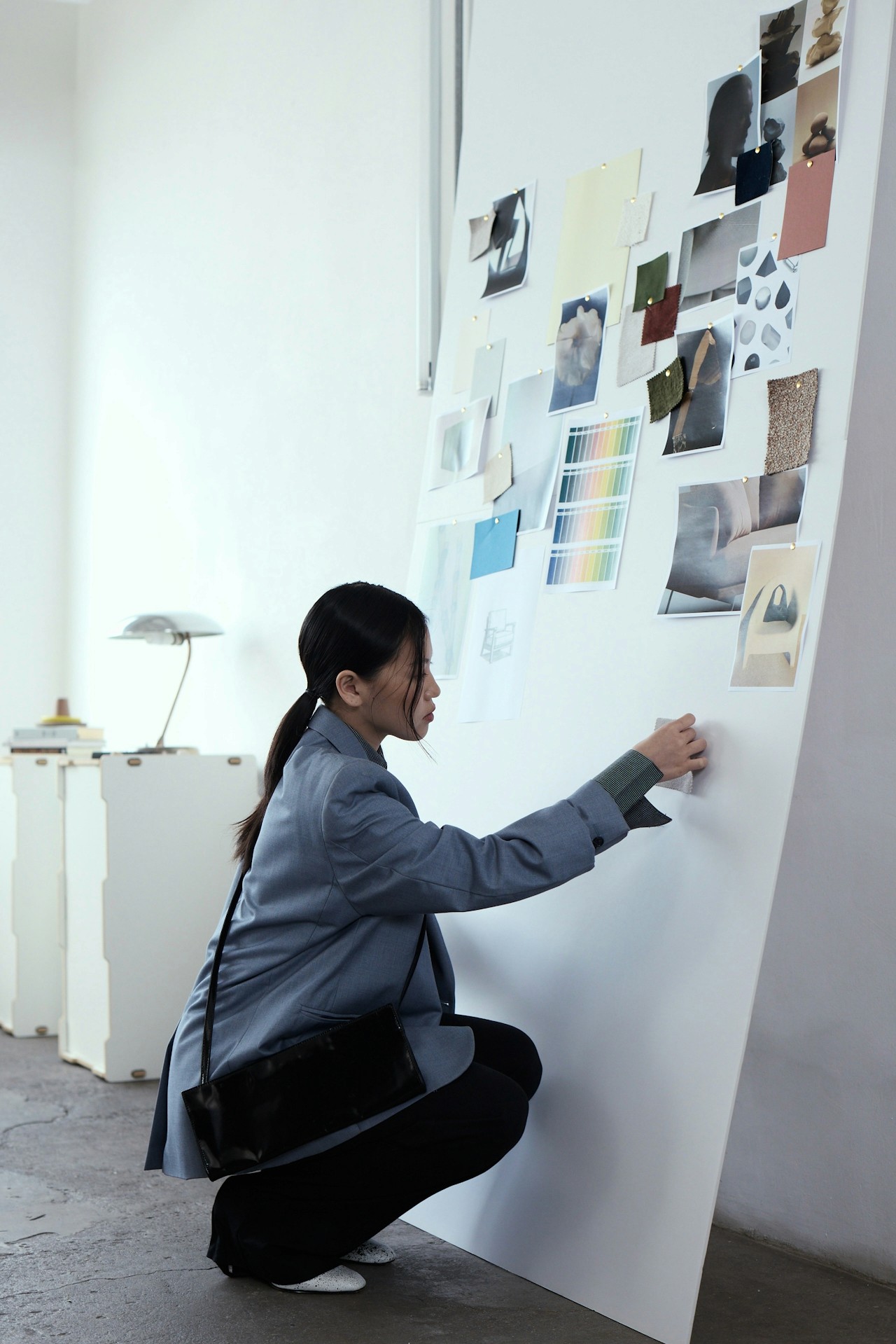
Digital Mood Board Hacks Every Designer Should Know
How to streamline your creative process, elevate your visuals, and design with confidence.
If you’ve ever found yourself juggling screenshots, Pinterest pins, random color swatches, and scattered inspiration folders, you’re not alone. Digital mood boards are supposed to simplify your process—yet many designers still spend hours organizing assets instead of creating.
The truth is: most creatives aren’t lacking ideas. They’re lacking a system that turns ideas into something clear, cohesive, and client-ready.
And that’s exactly why having the right mood board workflow—paired with the right tool—matters.
Here are the most powerful, practical hacks that top designers use to build mood boards that guide direction, spark creativity, and get instant client buy-in.
1. Start With a Cohesive Theme Instead of Random Inspiration
Instead of collecting visuals and hoping a theme emerges, reverse the process:
Identify the emotional tone first—calm, bold, luxurious, playful, futuristic—then gather assets that reinforce it.
Related terms to boost SEO: visual direction, creative theme, design aesthetic, branding vibe.
2. Use Color Anchors to Keep the Board Consistent
Color is the quickest way to define a creative direction.
Create 3–5 “anchor colors” and build the rest of the board around them. This keeps your final board visually balanced and professionally polished.
Search engines love color-related design terminology, so we’re supporting the article with keywords like palette inspiration, visual harmony, and creative cohesion.
3. Organize Images by Purpose, Not Just Style
The best designers categorize by function, not just look. Consider sections for:
Typography direction
Texture and materials
Imagery style
Brand personality cues
This keeps your board scrollable, structured, and intentional—just like your attached content strategy suggests.
4. Mix Media Formats for Maximum Engagement
A modern mood board isn’t just static pictures. Include:
Micro-videos
UI snippets
Motion references
Product photos
Color test blocs
This not only improves client understanding—it boosts your board’s professionalism.
(And yes, as your strategy image notes: use pictures & video!)
5. Give Yourself 1,000 Words—Literally
Designers often skip copy because “the visuals speak for themselves.”
But adding short explanations—why you chose a style, what emotion a palette conveys, how a font supports the concept—drastically increases clarity and buy-in.
Think of it like writing 1,000 words of creative alignment, not filler.
6. Make Your Mood Board Scrollable
Static PDFs are outdated and limiting. Today’s clients expect:
Interactive scrolling
Live links
Expandable sections
Hover details
Optional animations
Scrollable boards create a far more immersive experience… and they’re much easier to revise.
7. Time-Box Your Inspiration Phase (Aim for 53 Seconds Per Decision)
Designers get stuck because they over-collect. Set a constraint:
Every time you choose between two images, give yourself a few minutes to decide.
Why? Long enough to be thoughtful—but short enough to avoid perfection paralysis.
Your creativity thrives when you move fast and refine later.
You can piece these hacks together manually…
or you can use a tool built to do it beautifully.
Moodboard Studio is the go-to platform for designers who want a streamlined, modern, and elevated creative workflow. Here’s how it supports every hack above:
Drag-and-drop inspiration so you never waste time organizing assets
Instant color extraction to create anchor palettes in seconds
Section-based layouts that help you categorize by typography, imagery, texture, and tone
Built-in scrollable canvas for interactive, presentation-ready boards
Video + image support for richer visual direction
Smart text fields for adding descriptions without clutter
Lightning-fast export to share with clients or collaborators
Whether you're a brand designer, UX/UI creator, marketing strategist, or creative director, Moodboard Studio gives you clarity, structure, and creative flow.
It’s time to stop wrestling with scattered inspiration and start designing with precision.
✨ Try Moodboard Studio today and experience how effortless your creative process can be.Your next project deserves a mood board that inspires, aligns, and elevates your work from the very first step.