Design Within Reach for Startups on a Tiny Budget
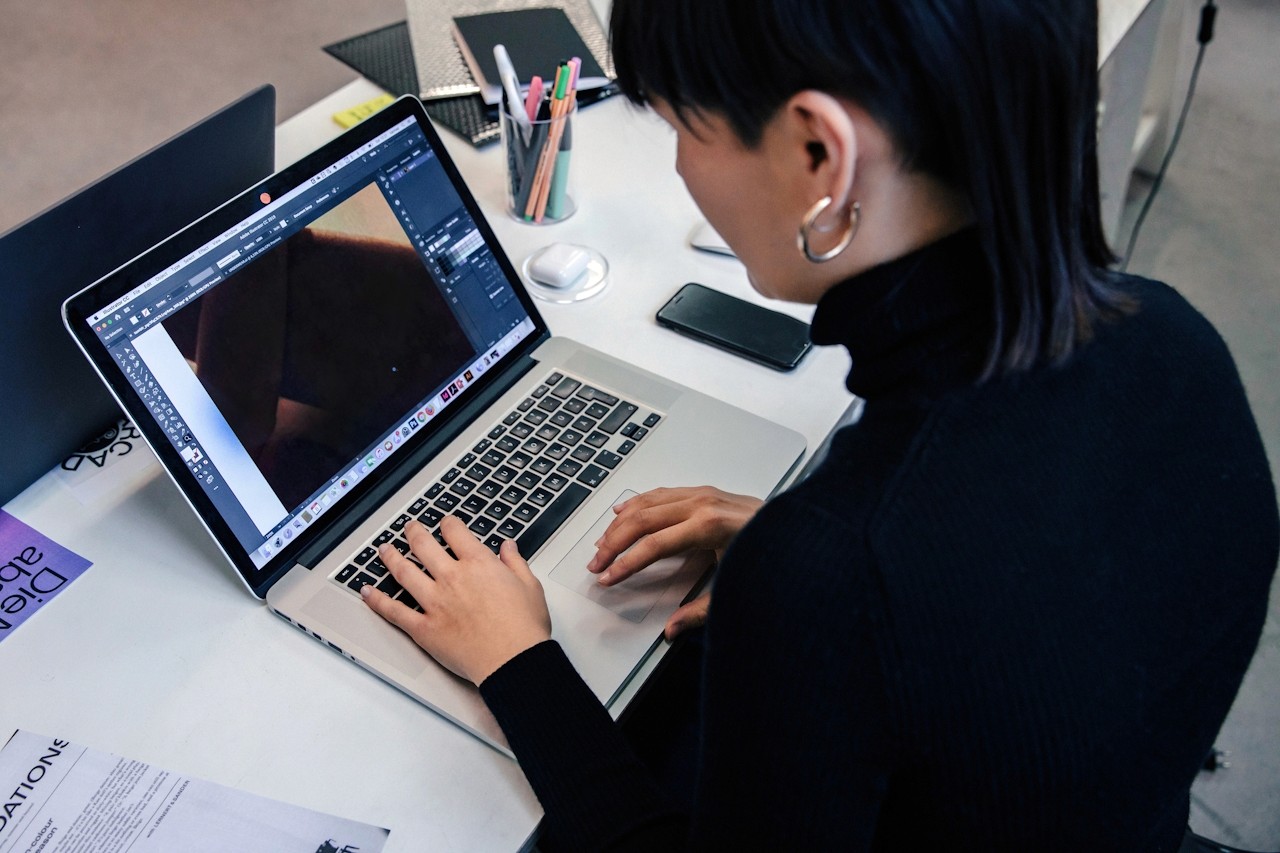
Design Within Reach for Startups on a Tiny Budget
How early-stage teams can build premium brands without premium budgets
Startups are expected to look polished from day one. Investors want confidence. Customers expect credibility. Talent gravitates toward brands that feel intentional.
But here’s the reality: most founders are operating on fumes.
If you’re trying to achieve Design Within Reach for Startups on a Tiny Budget, you’re not alone. The good news? You don’t need a $50,000 branding agency to look like you raised $5M.
At Ideate Workspace, we believe design isn’t a luxury — it’s leverage. Let’s walk through how to make high-end design accessible, practical, and budget-friendly for early-stage teams.
You Deserve Great Design (Even Without a Big Budget)
Let’s address the elephant in the room.
You’ve probably thought:
“We’ll invest in branding after we raise.”
“Design can wait until we validate the product.”
“We just need something quick and cheap.”
Here’s the truth: design is validation.
When your website looks thrown together, users assume your product is too. When your brand feels inconsistent, trust drops. When your messaging is unclear, conversions suffer.
For startups on a tiny budget, the pressure is real:
Limited runway
No in-house designer
Competing against well-funded competitors
Needing traction yesterday
You’re not trying to be flashy. You’re trying to be credible.
And credibility is what “Design Within Reach for Startups on a Tiny Budget” is really about.
What “Design Within Reach” Actually Means for Startups
Design within reach doesn’t mean cutting corners.
It means:
Strategic minimalism
Clear brand systems
Cohesive visual direction
Efficient tools over expensive agencies
For early-stage founders, great design comes down to three core pillars:
1. Clarity Over Complexity
Premium brands aren’t busy — they’re intentional. Clean layouts, strong typography, and consistent colors outperform over-designed clutter every time.
2. Systems Over One-Off Assets
Instead of designing a new graphic every time you need one, build a visual system:
Defined fonts
Brand color palette
Image style rules
Social templates
Pitch deck standards
This is how startups scale visually without scaling costs.
3. Visual Direction Before Execution
Before you design anything, you need a mood.
What does your brand feel like?
Minimal and modern?
Bold and disruptive?
Calm and refined?
Tech-forward and futuristic?
Without visual alignment, you waste time and money redesigning later.
This is where most startups go wrong.
How to Achieve Design Within Reach on a Tiny Budget
Let’s get practical.
Here’s a proven process early-stage teams use to achieve Design Within Reach for Startups on a Tiny Budget.
Step 1: Start With a Moodboard (Not a Logo)
Founders often jump straight into logo design.
Big mistake.
Your logo should reflect your brand direction — not define it.
Start by gathering inspiration:
Website layouts you love
Color palettes that resonate
Typography styles
Photography direction
UI inspiration
Instead of using scattered Pinterest boards and screenshots, use a centralized visual planning tool.
Moodboard Studio is designed specifically for this stage. It allows startups to:
Organize visual inspiration
Create structured brand moodboards
Align co-founders and stakeholders
Establish visual consistency early
Save time during the design process
When your team agrees on the mood first, everything else becomes easier — website, pitch deck, product UI, marketing assets.
Moodboard Studio isn’t just a design tool. It’s a clarity tool.
And clarity saves money.
Step 2: Build a Lean Brand Kit
Once your moodboard is solid, extract the essentials:
2–3 primary brand colors
1–2 font families
Image style guidelines
Spacing and layout preferences
Keep it simple.
You don’t need a 40-page brand book. You need consistency.
This lean approach gives startups:
Faster content creation
Cohesive marketing
Stronger brand recall
Professional presentation
Design within reach means disciplined simplicity.
Step 3: Create Scrollable, Conversion-Driven Pages
Your landing page is your first investor pitch to customers.
Follow this high-performing structure:
Validate the problem
Educate on the solution
Demonstrate how it works
Clear call to action
Make sure your page is:
Scrollable (not overcrowded above the fold)
Clean and breathable
Supported by visuals
Structured for clarity
Studies show users form an opinion about your website in seconds. Your layout matters.
Add:
Product screenshots
Mockups
Simple explainer visuals
Short videos if possible
Visual communication increases retention and trust.
Step 4: Prioritize Visual ROI
If your budget is tight, invest in what drives results:
Landing page design
Pitch deck polish
Product UI consistency
Social proof visuals
Avoid:
Over-custom illustrations early on
Expensive rebrands before product-market fit
Complex animation systems
Design within reach is about high-impact, low-waste decisions.
Why Moodboard Studio Is the Go-To Tool for Budget-Conscious Startups
Let’s be honest.
Most design tools are either:
Overly complex
Expensive
Built for agencies, not founders
Moodboard Studio was built with early-stage teams in mind.
It helps you:
Clarify brand direction before spending money
Align your team visually
Reduce redesign cycles
Create a foundation for scalable branding
For startups on a tiny budget, that efficiency is everything.
Instead of hiring multiple freelancers to interpret your vision, you walk in with clarity.
That alone can cut branding costs dramatically.
If you’re serious about achieving Design Within Reach for Startups on a Tiny Budget, start with visual alignment. Try Moodboard Studio and build your brand direction before you spend another dollar on design.
Design Smarter, Not Bigger
You don’t need a massive budget to look established.
You need:
Strategic simplicity
Clear visual direction
Consistent brand systems
The right tools
Design isn’t about decoration.
It’s about trust.It’s about perception.It’s about momentum.
If you’re building something ambitious with limited resources, you owe it to your startup to look as strong as your vision. Start by building your moodboard.
Define your direction.
Create consistency.
Then watch how much easier everything becomes.
Ready to bring Design Within Reach for Startups on a Tiny Budget? Start with Moodboard Studio today and design with intention.