Branding with Heart: A Design Thinking Process Guide (That Actually Feels Human)
Jan 10, 2026
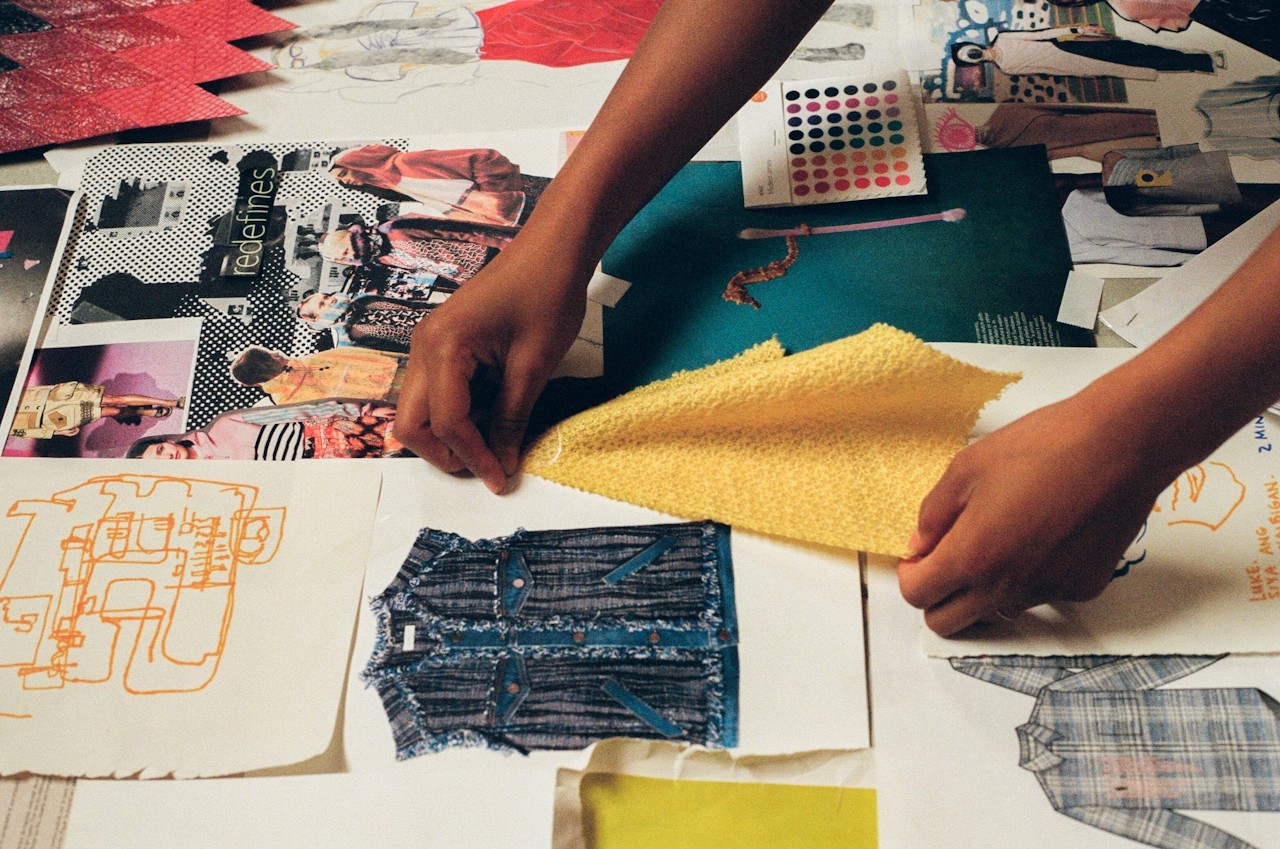
Branding with Heart: A Design Thinking Process Guide (That Actually Feels Human)
Branding isn’t just a logo, a color palette, or a perfectly curated Instagram grid.
Branding is how people feel when they interact with your business—before they buy, while they’re deciding, and long after they’ve clicked “purchase.”
And if you’ve ever tried to build a brand that feels true to you (while also being clear, consistent, and professional), you already know the truth:
Branding is emotional work.
It’s identity work.
It’s storytelling.
It’s design.
It’s strategy.
That’s why Branding with Heart works best when it’s built using a design thinking process—because design thinking was created to solve human problems with empathy, clarity, and creativity.
This guide walks you through a simple, real-world framework you can use today—plus the tool we recommend for bringing your vision to life: Moodboard Studio.
Why Branding Feels So Hard (And Why You’re Not Doing It Wrong)
If you’re feeling stuck, scattered, or overwhelmed by branding, let’s name what’s happening.
Most people try to build a brand by starting with the visuals:
“What colors should I use?”
“What font looks premium?”“Do I need a new logo?”
“Should I rebrand?”
But without clarity, those questions turn into a loop of second-guessing and endless Pinterest scrolling.
Here’s what you’re really trying to solve:
✅ You want your brand to feel like you
✅ You want it to attract the right people
✅ You want it to look cohesive everywhere✅ You want it to communicate your value instantly
✅ You want to stand out without feeling fake
That’s not shallow. That’s not “overthinking.”
That’s branding with heart—and it matters.
Because your audience can tell when your brand is a costume.
Design thinking isn’t just for product teams or big tech.
It’s one of the best frameworks for building a brand because it focuses on two things most branding advice ignores:
Human emotion
Real-world clarity
At Ideate Workspace, we like to think of branding through a design thinking lens:
1) Empathize: Understand your audience (and yourself)
Your brand isn’t only about what you love—it’s about what your audience needs to feel safe, seen, and supported.
Ask:
What is my audience struggling with right now?
What do they want to believe is possible?
What do they need to hear to trust me?
2) Define: Clarify your message and positioning
This is where your brand stops being “vibes” and becomes a clear promise.
Define:
Who you serveWhat transformation you offer
What makes your approach different
What you want to be known for
3) Ideate: Explore visual direction and brand personality
Now the fun part: translating your brand into visuals.
This is where moodboards, inspiration, and creative exploration are powerful—as long as they’re grounded in strategy.
4) Prototype: Build your brand system
This includes:
Logo variationsColor palette
Typography
Photo style
Icons and textures
Layout patterns
5) Test: Refine based on feedback and real use
Your brand should look great, yes—but more importantly, it should work:
On your websiteOn mobile
On social
In email
In sales pages
That’s how you build branding with heart and results.
If you want to bring your design thinking branding process to life without turning it into a 47-tab chaos spiral, here’s the simplest workflow we recommend.
Step 1: Start with a “Heart Check” (Brand Values + Feeling)
Before you choose visuals, choose meaning.
Write down:
3 words you want people to feel when they experience your brand
(example: grounded, confident, cared for)3 words you never want your brand to feel like
(example: cold, pushy, generic)
This step is what turns branding into connection—not performance.
Step 2: Collect inspiration with intention (Not overwhelm)
This is where most people get stuck: they gather too much and end up more confused.
Instead, collect inspiration based on:
Your audience’s emotional needs
Your offer’s purpose
Your brand personality
Moodboard Studio makes this part feel effortless because it helps you organize ideas visually without losing the thread of your strategy.
You’re not just saving pretty images—you’re building a direction.
Step 3: Build a moodboard that communicates your brand story
A strong moodboard isn’t random. It should create a consistent message through:
Color mood (warm, bold, soft, modern, earthy)
Typography style (elevated, playful, editorial, minimal)
Imagery (lifestyle, product, abstract, textured)
Design details (shapes, spacing, contrast, layout rhythm)
With Moodboard Studio, you can pull everything together into one clean visual board so you can actually see what your brand is becoming.
This is where branding starts to feel real.
Step 4: Translate your moodboard into a mini brand kit
Once your moodboard is clear, your next step is turning it into choices:
Primary colors + neutrals
Headline font + body font
Button styles + accent elements
Photography style guidelines
Social post layout direction
The goal is not perfection—it’s consistency.
Step 5: Create “Proof of Brand” moments (Prototype + test)
Now apply your brand to real-world assets:
Website hero section
Instagram post template
Offer cover graphic
Lead magnet
Email header
Then ask:
Does this feel like us?
Is it easy to read and understand?
Would my audience trust this?
This is where the design thinking loop closes—because you’re building a brand that performs and connects.
Try Moodboard Studio to Build a Brand That Feels Like You
If you’ve been craving a brand that looks professional and feels personal…
If you’re tired of piecing together your identity from scattered inspiration…
And if you’re ready to stop guessing and start designing with clarity—
Moodboard Studio is the tool to start with.
It’s the easiest way to bring your design thinking branding process into one place so you can:
organize your creative directionbuild a cohesive visual identity
create a brand that communicates your value instantly
stay consistent across platforms
design with confidence (and heart)
✨ Try Moodboard Studio today and start building branding that feels aligned, intentional, and unmistakably yours.